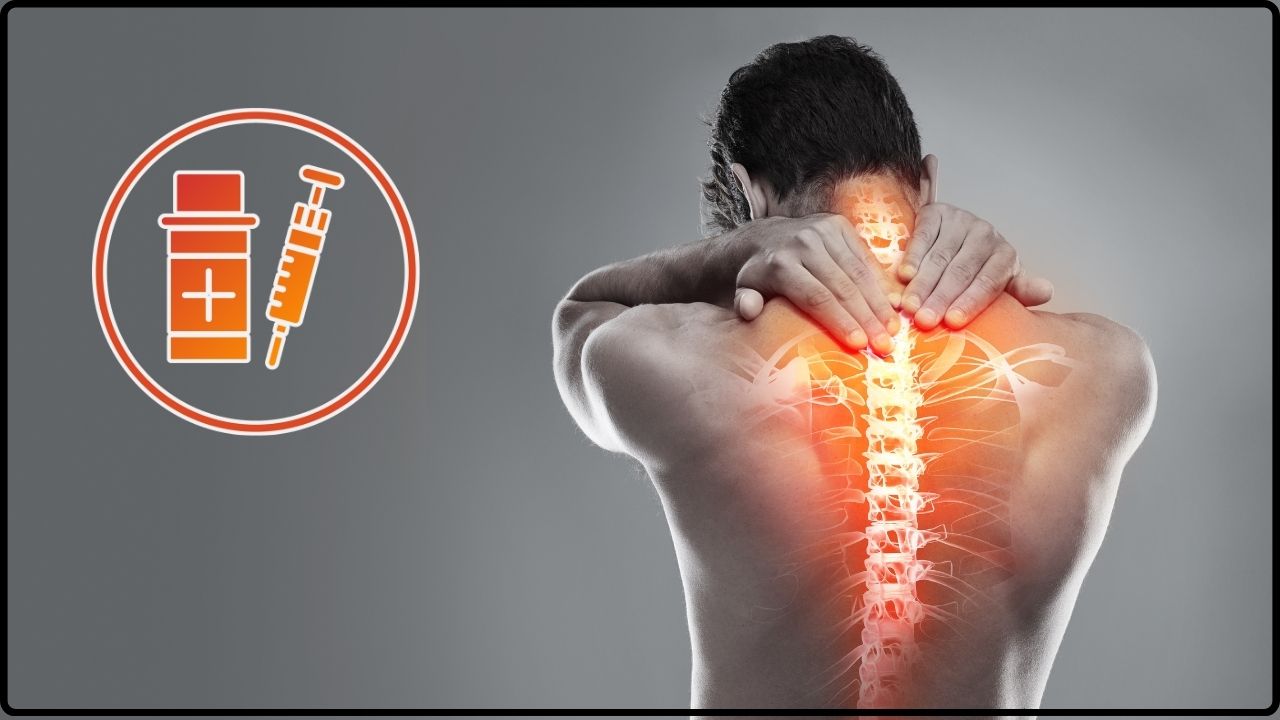

Managing Chronic Musculoskeletal Pain: Managing chronic musculoskeletal pain without opioids is one of the biggest challenges facing millions of Americans today. Whether it’s lingering back pain from sitting too long, aching knees from old injuries, or the deep, exhausting soreness that just never seems to quit — chronic pain can change everything about your daily life. But here’s the good news: you don’t have to depend on opioids to live better, move better, and feel more in control. This article explains, in plain language, how to manage chronic musculoskeletal pain using non-invasive and non-opioid methods. We’ll explore real data, practical examples, and step-by-step advice that’s simple enough for anyone to follow — but detailed enough to satisfy professionals and clinicians alike.
Table of Contents
Managing Chronic Musculoskeletal Pain
Chronic musculoskeletal pain is tough — no one’s pretending otherwise. But science shows that opioids aren’t the best or safest way to handle it long-term. By combining physical therapy, movement, psychological support, lifestyle changes, and non-opioid medications, you can take back control of your life, reduce pain naturally, and move with confidence again. Managing pain without opioids isn’t about ignoring it — it’s about understanding it, addressing its causes, and working with your body, not against it.

| What | Why It Matters / What the Data Says |
|---|---|
| 21% of U.S. adults experience chronic pain — that’s about 52 million people. | Chronic pain is a national health issue affecting all age groups and backgrounds. |
| Around 7% of adults have “high-impact chronic pain” that interferes with daily life. | These individuals need multi-approach care, not long-term opioids. |
| Non-opioid and nonpharmacologic treatments are now recommended as first-line options by the CDC. (CDC Guidelines) | Safer methods are as effective as opioids without addiction risks. |
| In a major 12-month study, non-opioid therapies performed as well or better than opioids for back and joint pain. | Non-opioid strategies often improve pain and function with fewer side effects. |
| Combining physical, mental, and lifestyle-based therapies provides the strongest and most lasting pain relief. | Pain is multidimensional — treatment should be too. |
Understanding Chronic Musculoskeletal Pain
Chronic musculoskeletal pain involves persistent pain in the muscles, joints, ligaments, or bones that lasts for three months or more. Unlike short-term injuries, this kind of pain doesn’t always have a clear “fix.” It can be linked to conditions such as osteoarthritis, chronic low back pain, fibromyalgia, or degenerative disc disease.
Pain of this type isn’t only physical — it affects sleep, mood, focus, and relationships. The CDC reports that adults with chronic pain are significantly more likely to experience anxiety, depression, and limited social activity. When pain becomes part of daily life, it changes how your brain and nervous system respond to pain signals — making even small discomforts feel amplified.
That’s where non-opioid strategies come in. They don’t just “mask” pain like opioids often do; they help retrain the body and mind to manage and reduce pain naturally.
Why Non-Opioid, Non-Invasive Pain Management Makes Sense?
In the early 2000s, opioids were prescribed widely for chronic pain, but the long-term results were disappointing — and dangerous. Studies found that extended opioid use didn’t improve function or quality of life compared to non-opioid methods. Instead, it increased the risks of dependency, tolerance, and accidental overdose.
As a result, the CDC and the American College of Physicians revised their guidelines, now recommending nonpharmacologic treatments first, with medications used only as secondary support.
These safer strategies focus on improving movement, reducing stress, and enhancing daily functioning rather than relying solely on pain relief.
Here’s why this approach works:
- It empowers patients — giving them tools to control pain through movement and mindset.
- It avoids the cycle of dependence associated with opioids.
- It improves strength, flexibility, and overall wellness, not just pain scores.
The Non-Opioid Chronic Musculoskeletal Pain Management Toolbox
Let’s break down the main tools and strategies used today to manage musculoskeletal pain without opioids.
1. Exercise and Physical Therapy
Exercise is one of the most effective and affordable pain treatments available. Research from the Annals of Internal Medicine shows that exercise therapy reduces chronic back pain by 30–40% on average, often outperforming medication.
Different exercise types help in different ways:
- Aerobic exercise (walking, cycling, swimming) improves endurance and blood flow.
- Strength training supports joints and improves stability.
- Stretching and flexibility exercises prevent stiffness and improve range of motion.
- Aquatic therapy reduces strain on joints while allowing full movement.
A licensed physical therapist can create a personalized plan that balances these elements, helps correct posture, and teaches proper body mechanics.
2. Mind–Body Therapies
Your brain plays a huge role in how you experience pain. Stress, fear, and anxiety can heighten pain signals — while calm, focused states can dull them.
Cognitive Behavioral Therapy (CBT) helps patients change the way they think about pain. Studies show that CBT can reduce pain intensity by 25–35% and improve coping skills.
Other mind–body approaches include:
- Mindfulness meditation – trains awareness and acceptance of pain.
- Yoga or Tai Chi – blends movement, breathing, and relaxation.
- Biofeedback – uses sensors to teach control of muscle tension and stress responses.
These techniques reduce the “fight-or-flight” reaction that amplifies chronic pain.
3. Complementary and Manual Therapies
Sometimes, a hands-on approach helps reset the body’s pain response.
- Massage therapy increases circulation, eases tight muscles, and reduces tension headaches.
- Chiropractic care or spinal manipulation can help with back or neck pain caused by misalignment.
- Acupuncture uses fine needles to stimulate nerves and release endorphins — the body’s natural painkillers.
- TENS (Transcutaneous Electrical Nerve Stimulation) sends mild electrical pulses that block pain signals.
A 2020 review by the Agency for Healthcare Research and Quality (AHRQ) found that these noninvasive methods consistently improve pain and function for chronic low back pain, osteoarthritis, and fibromyalgia.
4. Medication — But Not Opioids
When pain gets tough, medications can still play a role — but safer ones.
- NSAIDs like ibuprofen and naproxen reduce inflammation and help with arthritis and soft-tissue injuries.
- Acetaminophen helps relieve general pain without gastrointestinal side effects.
- Antidepressants (like duloxetine) and anticonvulsants (like gabapentin) sometimes help nerve-related or fibromyalgia pain.
Unlike opioids, these medications do not cause euphoria, respiratory suppression, or dependence when used correctly.
5. Lifestyle and Wellness
Pain relief doesn’t only happen in clinics or gyms — it starts with daily habits.
- Sleep: Poor sleep worsens pain perception. Aim for 7–8 hours of quality rest.
- Nutrition: Diets rich in anti-inflammatory foods — like salmon, leafy greens, and olive oil — can reduce systemic inflammation.
- Weight management: Losing just 10 pounds can take up to 40 pounds of pressure off your knees.
- Stress reduction: Chronic stress triggers muscle tension and inflammation; practices like deep breathing, journaling, or spending time outdoors can help.
Studies from the National Institutes of Health (NIH) show that patients who improve sleep and diet experience up to 25% reduction in reported pain levels even without new medications.

Building Your Step-by-Step Pain Plan
Step 1: Evaluate and Set Goals
Start with a pain assessment — when does it hurt most? What activities make it worse? Then set measurable goals such as “Walk 15 minutes daily” or “Sleep 7 hours per night.”
Step 2: Begin Gentle Movement
Start with short, low-impact activities like walking, water aerobics, or light yoga. Avoid long periods of rest — inactivity often makes pain worse.
Step 3: Add Strength and Stretching
Once you’re moving regularly, add strengthening exercises for core and major muscle groups. Strong muscles stabilize joints and prevent flare-ups.
Step 4: Mind–Body Work
Include a 10-minute mindfulness or relaxation routine daily. Apps like Calm or Headspace can help beginners.
Step 5: Track Progress
Use a simple pain journal or app to track pain levels, triggers, and progress weekly.
Step 6: Adjust and Maintain
Reassess every month. If something isn’t helping, tweak your plan — try massage, therapy, or different types of exercise. Consistency, not perfection, drives progress.
When to Seek Professional Help for Chronic Musculoskeletal Pain?
You should see a healthcare professional if:
- Pain persists longer than three months without improvement.
- You experience weakness, numbness, or loss of coordination.
- Pain interferes with sleep or daily activities despite self-care.
- You feel symptoms of depression, anxiety, or hopelessness related to pain.
A multidisciplinary pain clinic may provide a combined approach using physical therapists, psychologists, and physicians.
Common Myths About Non-Opioid Pain Management
Myth 1: “If it’s not a pill, it won’t work.”
Reality: Movement and mind–body therapies often work better than medication because they treat underlying causes, not just symptoms.
Myth 2: “Exercise will make my pain worse.”
Reality: With proper guidance, exercise strengthens muscles, improves joint support, and decreases pain over time.
Myth 3: “Opioids are the only option for severe pain.”
Reality: Most chronic musculoskeletal pain responds well to non-opioid therapies. Opioids are only for short-term, acute cases under strict medical supervision.
Myth 4: “Alternative therapies aren’t scientific.”
Reality: Techniques like acupuncture, CBT, and mindfulness are backed by hundreds of peer-reviewed studies from institutions like the NIH and Harvard Medical School.

Essential Endodontic Kits: The Complete Checklist for Setting Up Your Dental Clinic.
Best Airotor Handpieces for Indian Clinics: A Buyer’s Guide to Durability and Price.
Top 5 Dental Practice Management Software in India (2025 Review): MocDoc vs. Dentee.