

How to Choose the Right Dental Chair: Starting a new dental practice is an exciting milestone. You’ve planned your space, hired your staff, and picked your color scheme—but before you can treat your first patient, you’ll need to make one of the biggest purchases for your clinic: a dental chair. Choosing the right dental chair isn’t just a matter of picking something that looks good or fits the budget. It’s a long-term investment in your practice’s comfort, reputation, and efficiency. The right chair affects not only how your patients feel but also how you perform procedures, how your team works around you, and ultimately how profitable your clinic becomes.
Table of Contents
How to Choose the Right Dental Chair?
Choosing the right dental chair is one of the most critical investments in your practice’s future. Beyond cost, it’s about value—how well the chair supports your posture, comforts your patients, integrates with your technology, and enhances efficiency. Take your time to compare models, request demos, and read verified feedback from other professionals. Whether you’re building a single operatory or a multi-chair practice, a thoughtful purchase will pay dividends in comfort, productivity, and patient trust. A quality dental chair isn’t just equipment—it’s a business partner that helps you deliver care with confidence, comfort, and precision.
| Topic | Details |
|---|---|
| Main Keyword | How to Choose the Right Dental Chair: A Cost-Benefit Analysis for New Clinics |
| Average Chair Lifespan | 10–15 years |
| Average Cost (USA) | $3,000–$15,000 |
| Top Brands (2025) | A-dec, Belmont, Midmark, Dentsply Sirona |
| Best Value Range | Mid-tier hydraulic chairs ($5,000–$8,000) |
| Tax Deduction | Section 179 equipment deduction |
| Maintenance Schedule | Professional inspection every 6 months |
| Reference Source | American Dental Association |
Why the Dental Chair Matters?
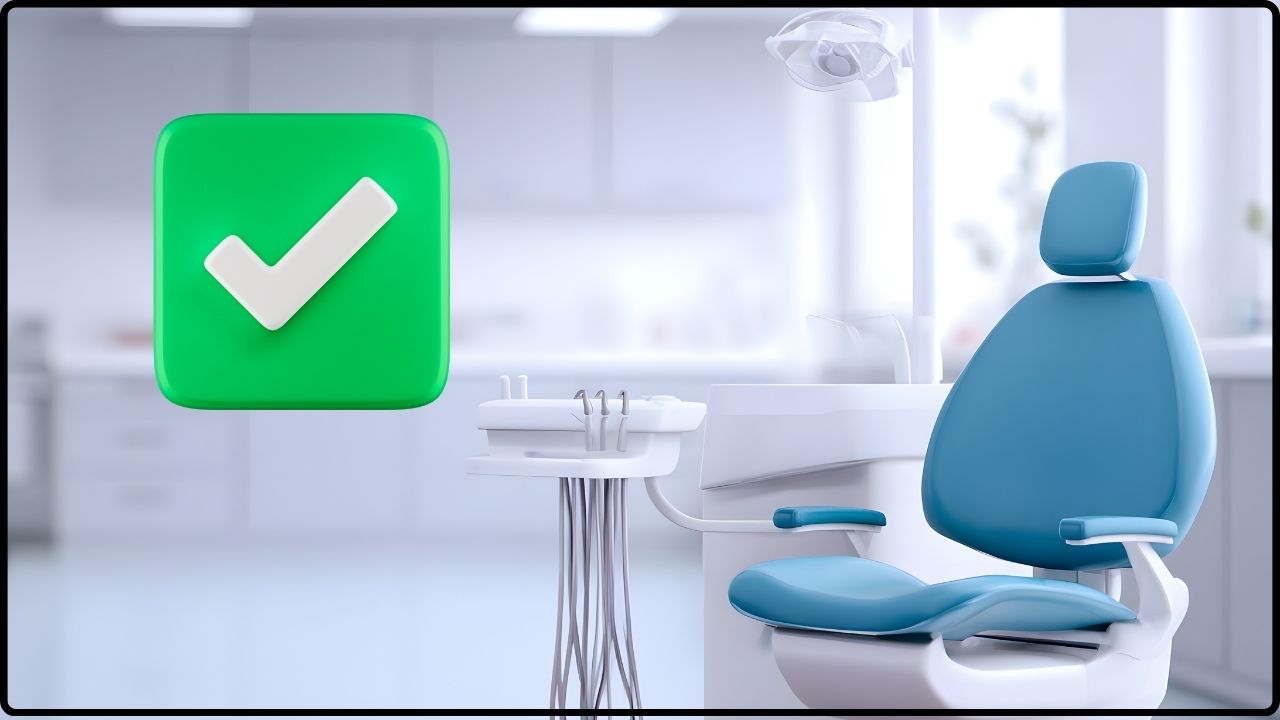
In dentistry, everything revolves around the chair. It’s the focal point of the treatment room, where your patient spends most of their time and where you perform virtually every procedure.
A well-designed chair supports proper patient positioning, gives you ergonomic control, and makes it easier for your team to assist efficiently. According to the National Institute of Dental and Craniofacial Research (NIDCR), over 80 percent of dental procedures rely on stable positioning and proper lighting—two areas directly influenced by your dental chair setup.
Beyond comfort and precision, your choice communicates professionalism. A modern, hygienic, and well-maintained dental chair builds immediate trust. Patients subconsciously associate comfort and aesthetics with competence, which means investing in a quality chair can strengthen your reputation from day one.
Breaking Down the Cost vs. Benefit
Let’s face it: dental chairs aren’t cheap. But viewing them through the lens of cost-benefit analysis helps you make an informed decision.
| Category | Price Range | Pros | Cons |
|---|---|---|---|
| Budget Chairs ($2K–$4K) | Low upfront cost, simple installation | Limited features, shorter lifespan | |
| Mid-Range ($5K–$9K) | Great ergonomics, balanced pricing | May require add-ons later | |
| Premium ($10K–$15K+) | Best for high-end or multi-operatory practices | High initial investment |
Rather than focusing solely on price, consider total ownership cost: installation, maintenance, downtime, and warranty coverage. A $9,000 chair that lasts 12 years costs less per year than a $4,000 model that fails after five.
The American Dental Association (ADA) recommends evaluating the “chair-to-revenue ratio,” which calculates how quickly the chair pays for itself through improved workflow and higher patient throughput.
Ergonomics: Protecting Your Health
Dentists and hygienists spend hours leaning, bending, and twisting around patients. Over time, poor posture leads to musculoskeletal strain, fatigue, and even early retirement. A 2023 survey from the ADA Health Policy Institute revealed that 68 percent of dental professionals report back or neck discomfort related to clinical posture.
To combat this, look for chairs that feature:
- Adjustable height and backrest angles
- Smooth hydraulic or electric motion
- Multi-position headrests
- Memory presets for common procedures
- Easy access from both left and right sides
These features may seem small, but they drastically improve your comfort and longevity in the profession. The longer you can practice comfortably, the more profitable your investment becomes.
Patient Comfort: The Cornerstone of Trust
Anxious patients are part of dentistry, but the right chair can help calm nerves from the moment they sit down. Soft, ergonomic cushioning and smooth, quiet motion go a long way in creating a sense of safety.
According to a Dental Economics report, clinics that prioritize patient comfort see up to 20 percent higher patient retention and satisfaction scores. Many dentists overlook how much design plays into psychology—a patient who feels relaxed is more cooperative and more likely to return for preventive care.
When comparing chairs, pay attention to:
- Upholstery quality and support density
- Noise level during adjustments
- Stability and smooth recline motion
- Accessible armrests for easier entry and exit
Your chair should not only look professional but feel welcoming. Think of it as your patient’s first handshake with your clinic.

Technology and Integration: Working Smarter
Modern dental chairs are more than simple seats—they’re integrated systems. Many mid- and high-range models include built-in technology that streamlines workflow.
Common integrations include:
- LED operating lights
- Multi-function foot controls
- Delivery units for suction, air, and water
- Intraoral camera mounts
- Wireless connections to imaging and charting software
As dentistry becomes increasingly digital, investing in a tech-ready chair ensures your practice can expand without costly retrofits. A modular design allows you to add new components later, keeping your setup future-proof.
Maintenance and Hygiene: The ROI Factor
Maintenance is often overlooked during purchase decisions, yet it’s one of the largest contributors to long-term ROI.
A reliable dental chair should have:
- Seamless, chemical-resistant upholstery
- Removable parts for easy cleaning
- Autoclavable or disinfectant-safe surfaces
- Rust-proof or stainless-steel bases
Following the CDC’s Dental Infection Control Guidelines, all chairs should be disinfected between patients and inspected professionally twice a year. Preventive maintenance not only keeps the equipment safe but also reduces costly downtime.
Financing and Tax Benefits
The upfront cost of a quality dental chair can feel intimidating, but financing and tax options make it manageable. Most dental suppliers in the United States—such as Patterson Dental and Henry Schein—offer flexible payment plans or leases with minimal down payment.
Better yet, the IRS Section 179 deduction allows you to deduct the full purchase price of qualifying equipment (up to $1,220,000 in 2025) from your taxable income. That means an $8,000 dental chair could yield significant savings during your first year of operation.
Combining these financial advantages with long-term efficiency gains means a properly chosen chair can pay for itself in less than two years.
Top Dental Chair Brands in the U.S. (2025 Overview)
| Brand | Starting Price | Highlight Features | Warranty |
|---|---|---|---|
| A-dec 500 | $13,000+ | Exceptional ergonomics, luxury comfort | 5 years |
| Belmont Clesta II | $9,500 | Compact, great for smaller operatories | 3 years |
| Midmark Elevance | $11,000 | Touch controls, integrated lighting | 5 years |
| Dentsply Sirona Intego | $14,000 | Digital integration, premium design | 3 years |
| Flight A6 Standard | $6,800 | Affordable and reliable for startups | 2 years |
These manufacturers consistently receive high marks from dental professionals for build quality and service support. When choosing a supplier, verify that replacement parts and service technicians are readily available in your area.

Real-Life Example: The Smart Purchase
Dr. Lisa Monroe, a general dentist from Ohio, faced the classic startup dilemma—save money now or invest in a premium chair. She chose a mid-range A-dec model for around $9,000.
“Six years later, that chair still runs perfectly,” she says. “It’s quiet, easy to clean, and patients comment on how comfortable it feels. I see about twelve patients a day, and it hasn’t needed a single major repair. Honestly, it paid for itself in the first eighteen months.”
Stories like Dr. Monroe’s are common among dentists who prioritize quality equipment early. Cheaper alternatives may work initially, but frequent breakdowns, uncomfortable seating, or poor support can lead to higher costs over time.
Practical Buying Checklist to Choose the Right Dental Chair
Before signing any contract, use this short checklist to stay focused:
- Confirm UL certification and ADA compliance.
- Check hydraulic vs. electric system reliability.
- Ask about service contracts and local technician availability.
- Evaluate build materials—metal bases last longer than plastic.
- Request onsite demonstrations to test ergonomics and noise.
- Compare warranty length and included maintenance visits.
- Read verified reviews on trusted platforms like DentalCompare and DentalTown.
Buying a chair is like buying a car—you want the right combination of performance, safety, comfort, and support.
ROI Example: A Quick Math Snapshot
Suppose you buy a $7,500 chair with a lifespan of 12 years. You treat ten patients daily and average $150 per patient.
| Metric | Value |
|---|---|
| Initial Cost | $7,500 |
| Expected Lifespan | 12 years |
| Maintenance | $150 per year |
| Daily Patients | 10 |
| Average Revenue per Patient | $150 |
| Estimated Extra Efficiency Revenue | $6,000–$10,000/year |
| Break-Even Point | 1–2 years |
After that, every year the chair operates smoothly adds directly to your profit margin.
NEET MDS Preparation: Comparing DAMS, MDS Conquer, and eDental Portal.
Essential Endodontic Kits: The Complete Checklist for Setting Up Your Dental Clinic.
Best Airotor Handpieces for Indian Clinics: A Buyer’s Guide to Durability and Price.
Professional Insight: Think Long-Term
When you evaluate your chair options, remember that durability, comfort, and serviceability are more important than saving a few thousand dollars upfront. Inconsistent performance or frequent repairs disrupt your workflow and harm your reputation.
Instead of focusing only on features, think about the full experience—for you, your staff, and your patients. The right dental chair becomes part of your brand identity, silently supporting your success for years.