
Home Nebulizers and Oxygen Concentrators: If you or someone in your family has ever gasped for breath, you know how terrifying it feels. For millions of Americans living with asthma, chronic obstructive pulmonary disease (COPD), or other breathing problems, devices like home nebulizers and oxygen concentrators can be literal lifesavers. They help people manage respiratory issues right from the comfort of home, giving them control, confidence, and independence.
Still, choosing the right equipment can be confusing. Between technical terms, device ratings, and countless models, it’s easy to feel lost. This guide breaks it all down in plain, friendly English — what each device does, how they differ, what to look for when buying, and what to avoid. It’s written by professionals, trusted by families, and built to help you make safe, informed choices.
Table of Contents
Home Nebulizers and Oxygen Concentrators
Choosing between a home nebulizer and an oxygen concentrator isn’t just a technical decision — it’s about improving your quality of life. Nebulizers deliver life-saving medication directly into your lungs, while oxygen concentrators provide the oxygen support your body needs to stay active and strong. The best choice depends on your diagnosis, lifestyle, and medical advice. Always consult your healthcare provider, use FDA-approved products, and follow all cleaning and safety instructions. With the right setup, breathing easier at home isn’t just possible — it’s practical, empowering, and safe.

| Topic | Details |
|---|---|
| Main Devices | Nebulizer (medicine delivery) & Oxygen Concentrator (oxygen supply) |
| Best For | Asthma, COPD, bronchitis, post-COVID recovery |
| Average Cost (U.S.) | Nebulizers: $40–$150; Oxygen Concentrators: $600–$3,500 |
| Top Brands | Omron, Philips Respironics, Inogen, CAIRE, Yuwell |
| Oxygen Purity | 87–95% for most home oxygen concentrators |
| Power Options | Electric (stationary) or battery (portable) |
| Official Resource | FDA Home Health Devices |
| Health Statistics | 16M Americans have COPD; 25M live with asthma (CDC, 2024) |
| Coverage | Medicare Part B and private insurance cover prescribed devices |
| Pro Tip | Always use under medical supervision; never self-prescribe oxygen |
The Growing Need for Home Nebulizers and Oxygen Concentrators Care
According to the Centers for Disease Control and Prevention (CDC), more than 16 million adults in the United States live with COPD, while over 25 million people — including six million children — have asthma. That’s nearly 13% of the population.
And those numbers are increasing. Factors like wildfire smoke, pollution, rising respiratory infections, and the lingering effects of COVID-19 have made respiratory conditions more common than ever. Many hospitals and clinics now encourage home-based oxygen therapy and nebulizer treatments to reduce readmissions and improve quality of life.
Dr. Lisa Hernandez, a respiratory specialist at Johns Hopkins Medicine, explains:
“Advances in home devices have completely changed the way we manage chronic lung disease. What once required daily hospital visits can now be done safely at home with the right training and equipment.”
Home Nebulizers and Oxygen Concentrators: The Core Difference
Though both devices support breathing, they serve entirely different purposes.
Nebulizer — Medication Delivery Device
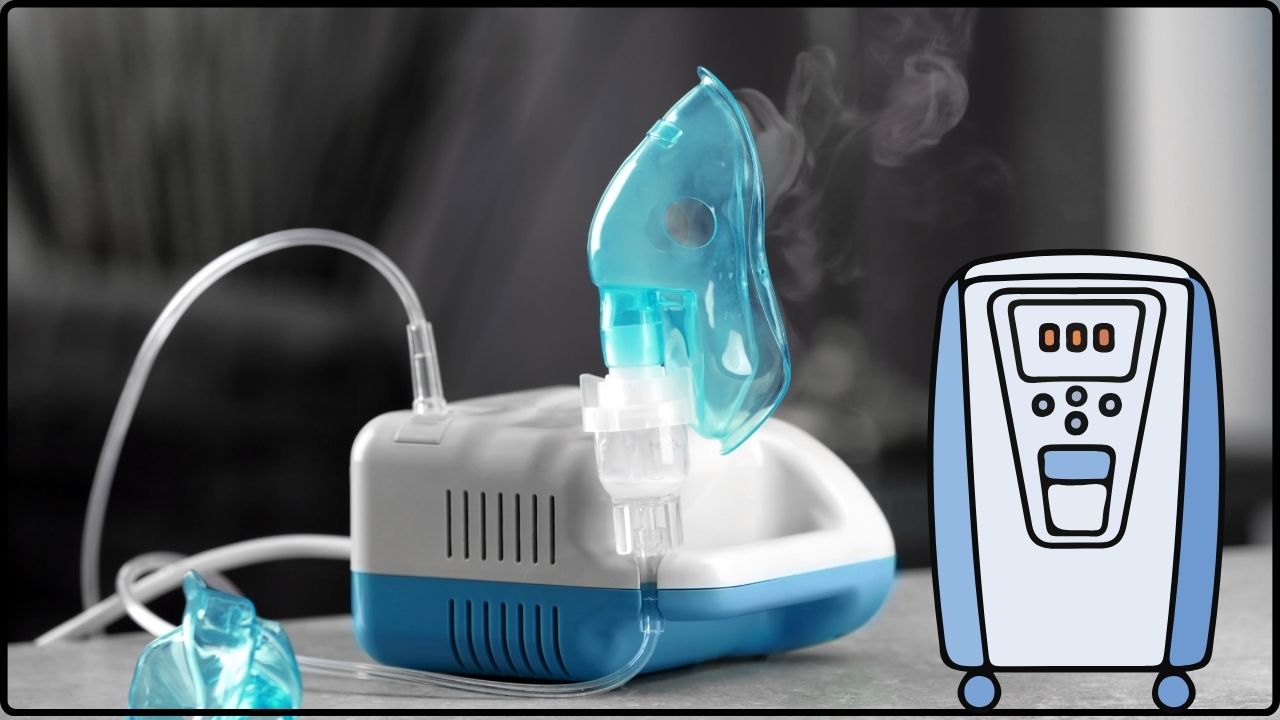
A nebulizer converts liquid medicine into a fine mist that you inhale directly into your lungs through a mask or mouthpiece. This allows fast, targeted delivery of drugs like albuterol, ipratropium, or budesonide, which open the airways and reduce inflammation.
Nebulizers are often prescribed for:
- Asthma attacks or chronic asthma control
- COPD flare-ups
- Bronchitis and other infections that cause mucus buildup
- Pediatric respiratory conditions
A typical treatment lasts about 10 to 15 minutes. Many patients describe it as “a warm mist for your lungs.”
Average price: $40–$150, depending on features like portability or noise level.
Oxygen Concentrator — Oxygen Delivery Device
An oxygen concentrator filters room air, removing nitrogen and delivering oxygen-rich air to the user through a nasal cannula or mask. It’s designed for people whose lungs can’t absorb enough oxygen naturally.
It’s commonly prescribed for:
- Severe COPD or emphysema
- Chronic lung diseases
- Post-COVID respiratory complications
- Sleep apnea (in combination with CPAP)
Unlike oxygen cylinders, concentrators never run out. They generate oxygen continuously as long as they have power.
Average price: $600–$2,000 for home units; $2,000–$3,500 for portable, battery-powered units.
Cost Comparison Table
| Device Type | Price Range (USD) | Best For | Example Models |
|---|---|---|---|
| Compressor Nebulizer | $40–$100 | Daily medication use | Omron NE-C801, Philips InnoSpire Essence |
| Ultrasonic Nebulizer | $80–$150 | Quiet, quick treatment | Beurer IH60 |
| Stationary Oxygen Concentrator | $600–$2,000 | Continuous home oxygen | Philips EverFlo, CAIRE Companion 5 |
| Portable Oxygen Concentrator | $2,000–$3,500 | Travel and mobility | Inogen One G5, SimplyGo Mini |
How Home Nebulizers and Oxygen Concentrators Work?
Nebulizers
Nebulizers use air compression or ultrasonic vibration to convert liquid medication into aerosol mist. The mist is then inhaled through a mouthpiece or mask. Compressor nebulizers rely on air pressure, while ultrasonic models use high-frequency sound waves to create the mist.
For example, a parent managing a child’s asthma can prepare the medicine cup, attach the tubing, and within minutes deliver medicine directly into the lungs without the struggle of using an inhaler.
Oxygen Concentrators
These devices work like mini air factories. They draw in room air (which contains about 78% nitrogen and 21% oxygen) and use molecular sieves to filter out nitrogen, leaving concentrated oxygen. The output is typically between 87% and 95% pure oxygen.
Home concentrators plug into standard wall outlets, while portable ones use rechargeable batteries, lasting from 4 to 10 hours depending on model and setting.

Choosing the Right Device: Step-by-Step
- Consult Your Doctor.
Always start with a medical evaluation. Your doctor will measure your oxygen saturation (SpO₂) and prescribe either medication, oxygen therapy, or both. - Know Your Numbers.
For oxygen therapy, your prescription will specify flow rate (liters per minute) and duration. Don’t guess — too much oxygen can be harmful. - Consider Your Lifestyle.
If you’re mostly at home, a stationary unit may be ideal. For those who travel or enjoy outdoor activities, portable models offer flexibility. - Check Noise and Power Requirements.
Many patients prefer quieter models, especially for nighttime use. Units under 45 decibels are comfortable for bedrooms. - Verify Warranty and Support.
Look for U.S.-based service centers and at least a two-year warranty. - Buy from Authorized Dealers Only.
Always confirm the device is FDA-cleared and sold by a licensed supplier.
Insurance and Medicare Coverage
Most insurance plans, including Medicare Part B, cover both oxygen concentrators and nebulizers when prescribed by a doctor.
Here’s how it typically works:
- Your doctor provides medical documentation showing you need oxygen or nebulizer therapy.
- A Medicare-approved supplier delivers and maintains the device.
- Medicare covers 80% of the equipment cost after you meet your deductible.
- You pay 20% coinsurance.
Technology and Innovations in 2025
The respiratory care market has evolved rapidly. Today’s devices are smarter, smaller, and more energy efficient.
- Smart Oxygen Concentrators: Brands like Inogen and Philips Respironics now offer Bluetooth-enabled models that connect to smartphone apps, letting users and doctors track oxygen flow and device performance remotely.
- Portable Power Solutions: Lithium-ion batteries and car-charging options make it easier to stay mobile.
- Smart Nebulizers: Some new units automatically record medication usage, sync with mobile health apps, and even alert caregivers when doses are missed.
- Noise Reduction: Improved sound insulation now keeps most devices under 40 decibels — as quiet as a home refrigerator.
These advances are particularly helpful for parents managing a child’s asthma or older adults who travel frequently but still need reliable oxygen access.
Expert Opinions and Real-World Advice
Mark Jensen, a registered respiratory therapist in Denver, emphasizes practicality:
“People often think more expensive means better. But the best device is the one that fits your medical need and your daily routine. You don’t need a $3,000 concentrator if you barely leave the house.”
He adds that maintenance is key:
“Clean your nebulizer after each use and replace filters regularly. Poor hygiene can cause lung infections, which defeat the whole purpose of these devices.”

Maintenance and Safety
Proper care ensures your device lasts longer and works safely.
| Do’s | Don’ts |
|---|---|
| Clean the nebulizer cup and mask after every use | Don’t use tap water in humidifier bottles |
| Replace filters every 3–6 months | Don’t smoke or use open flames near oxygen |
| Store devices in a dry, dust-free area | Don’t exceed prescribed oxygen levels |
| Check tubing for cracks or kinks | Don’t block air vents or place concentrator against walls |
Safety note: Oxygen supports combustion. Keep oxygen concentrators at least six feet away from heat sources or electrical sparks.
Environmental and Sustainability Benefits
Home oxygen concentrators are more eco-friendly than traditional oxygen cylinders because they recycle ambient air rather than relying on refilled tanks. This reduces both transportation emissions and medical waste.
Several U.S. states, including California and Oregon, encourage patients to use energy-efficient medical equipment by offering electricity discounts or rebates for medically necessary home devices.
Respiratory Health in America: Key Statistics
| Condition | People Affected (2024) |
|---|---|
| COPD | 16 million+ |
| Asthma | 25 million+ |
| Post-COVID lung impairment | 8–10% of survivors |
Together, these conditions account for millions of hospital visits and billions in annual healthcare costs. Home care equipment helps reduce hospital dependence, freeing up beds and lowering costs for families.
Best Stethoscopes for Medical Students and Interns: Littmann vs. Alternatives.
How to Sell Your Handwritten Medical Notes Online: A Guide for Toppers.
NEET MDS Preparation: Comparing DAMS, MDS Conquer, and eDental Portal.