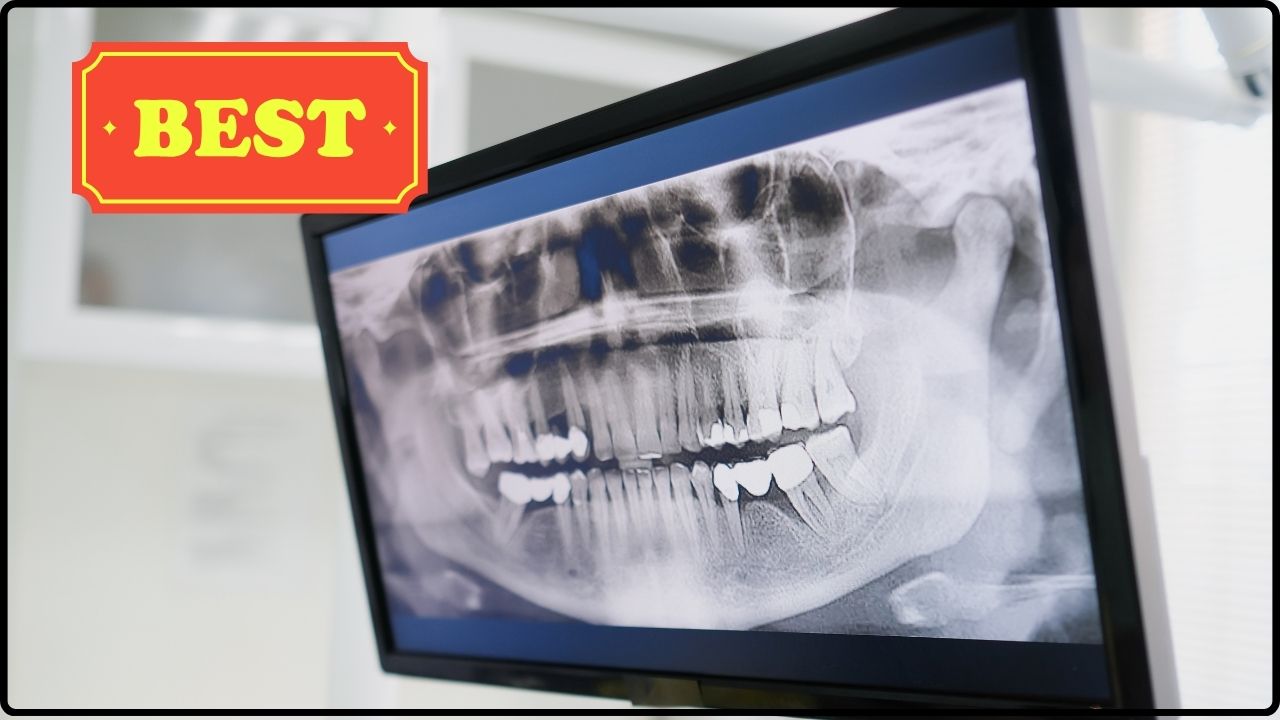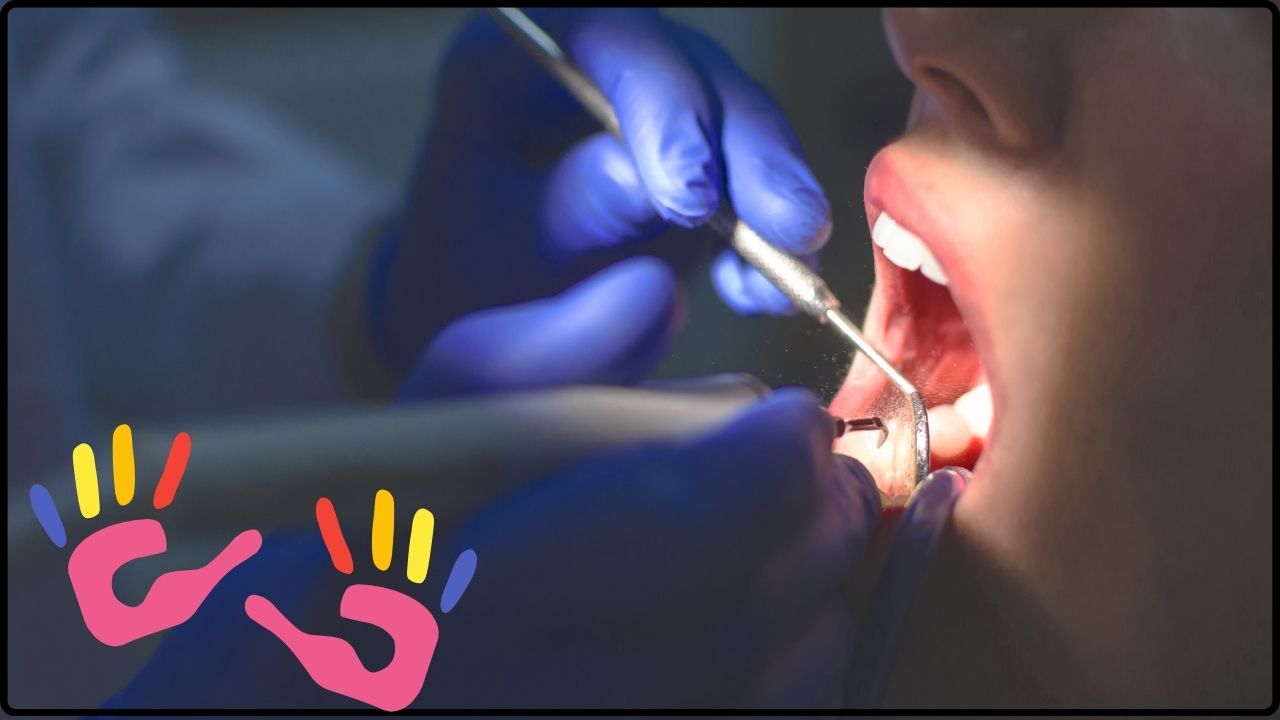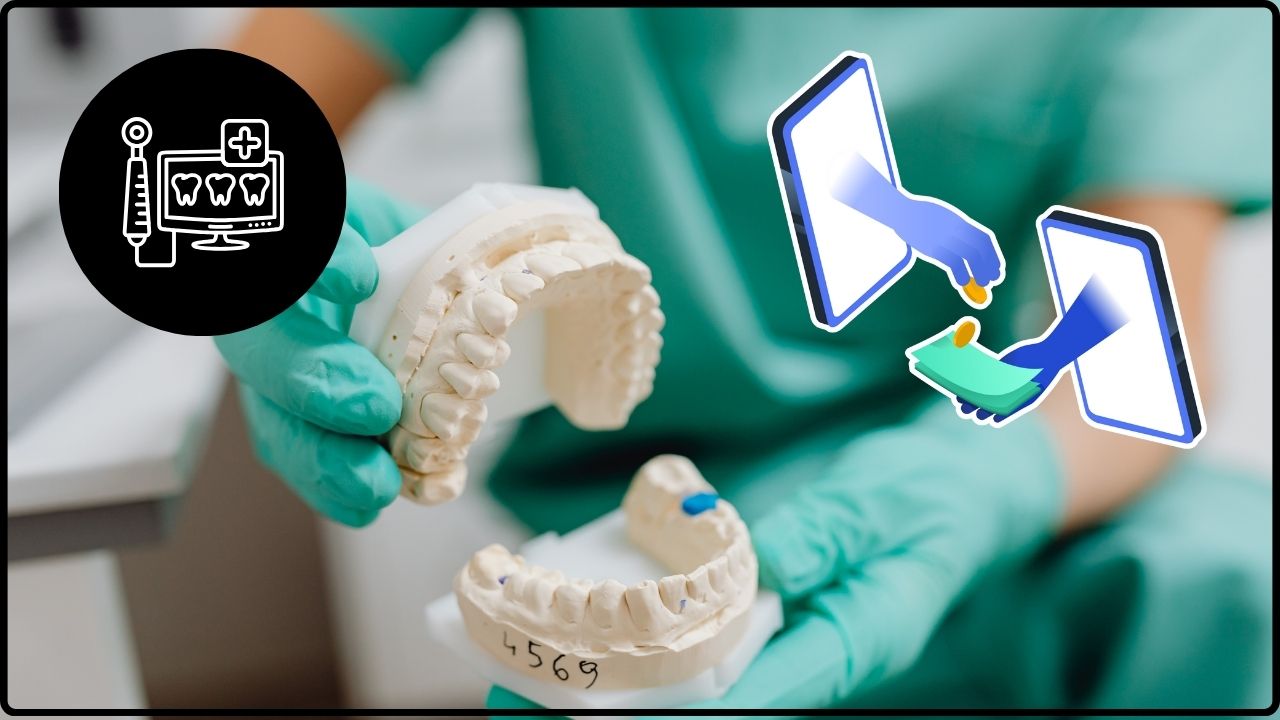

Best Portable Dental X-Ray Machines: Portable dental X-ray machines are becoming the new normal in modern dentistry. Whether you’re a solo practitioner running a cozy private clinic, doing home visits, or setting up a mobile dental unit, these compact powerhouses promise flexibility and freedom. But with great tech comes great responsibility — especially when radiation safety is on the line. Let’s cut through the marketing noise and dive deep into what makes portable dental X-ray machines both a blessing and a responsibility. We’ll talk about features, safety protocols, maintenance, regulation, and how to actually use them without risking your license (or your health). This guide combines real-world experience, research, and official guidance from dental and radiation-safety authorities.
Table of Contents
Best Portable Dental X-Ray Machines
Portable dental X-ray machines are a modern marvel — compact, efficient, and patient-friendly. They empower small clinics, mobile units, and outreach dentists to provide high-quality imaging anywhere. But with convenience comes duty: strict adherence to radiation safety, regulatory compliance, maintenance, and proper training. Used responsibly, portable dental X-rays can match the diagnostic quality of fixed systems while keeping everyone safe. The key is respect — respect for radiation, for patients, and for your profession.

| Topic / Data Point | What It Means |
|---|---|
| Modern portable digital dental X-rays emit much lower doses (5–40 µSv per exposure) compared to older film systems (up to 180 µSv). | Digital systems significantly reduce patient radiation exposure. |
| Operator exposure averages ~0.1 mSv annually for ~200 exposures when proper shielding and distance are used. | Professional exposure remains far below occupational limits. |
| Using backscatter shields, lead gloves, and long cones can reduce scatter by 25–50%. | Protective accessories dramatically cut radiation risk. |
| Portable X-rays are best for mobile dentistry, outreach, and small offices — not meant to replace full radiology setups. | Designed for convenience, not constant heavy use. |
| Routine maintenance, staff training, and regulatory compliance are mandatory. | Keeps you legal, safe, and audit-ready. |
What Exactly Is a Portable Dental X-Ray Machines?
A portable dental X-ray is a lightweight imaging unit that allows dentists to take intraoral radiographs anywhere — no fixed installation required. Many are handheld (like the NOMAD Pro 2 or Woodpecker Ai Ray), while others come on mobile stands. Most use high-frequency DC generators and digital sensors, ensuring fast, clean images with less exposure.
Unlike old-school film setups, these devices operate on batteries, can be carried between operatories, and connect wirelessly to imaging software. That’s a game-changer for dentists with multiple rooms or mobile clinics.
Why Private Practices Are Embracing Portable X-Rays?
- Space-saving: No need for shielded X-ray rooms or heavy wall units.
- Cost-efficient: Lower setup cost — a plus for startups or single-chair practices.
- Patient-friendly: Great for pediatric, geriatric, or special-needs patients.
- Speed and workflow: Digital output appears instantly — fewer retakes, smoother diagnosis.
Still, convenience can lead to complacency. Radiation safety should never take a back seat.
Safety and Radiation: What the Science Says
Portable X-rays use the same radiation physics as stationary ones, but proximity makes safety a bigger issue. According to studies from the National Institutes of Health and Public Health England, when handheld devices are used properly, both operator and patient exposures remain well below permissible limits.
Typical exposure levels for a digital periapical X-ray:
- 5–40 µSv (microsieverts) for the patient
- <0.1 mSv (millisievert) annually for the operator
For perspective, the average person in the U.S. gets about 3,000 µSv per year just from natural background radiation.
But here’s the catch: Safety depends entirely on shielding, technique, and distance. Operators who hold the device incorrectly, skip protective gear, or take too many images daily may exceed safe thresholds.
Regulatory Compliance and Licensing
Radiation is no joke in the eyes of regulators. Every country — including the U.S. (FDA, state health boards), India (AERB), and the U.K. (Health Security Agency) — has laws covering X-ray operation.
Key compliance checkpoints include:
- Machine registration with your national radiation authority.
- Radiation safety officer (RSO) designation if your clinic uses multiple imaging devices.
- Periodic equipment inspection and calibration (usually annually).
- Dosimeter badges for all operators.
- Exposure logs documenting when, why, and how often radiographs are taken.
Failure to maintain compliance can result in fines or suspension of your radiography permit. Always check with your local state dental board or public-health department before buying portable X-ray units.
Maintenance and Quality Assurance
Portable X-rays need regular care just like any other medical equipment. Battery leakage, damaged cones, or uncalibrated generators can lead to radiation leaks or poor imaging.
Best practices:
- Schedule annual radiation-leakage tests.
- Replace cone and shield components if cracked or bent.
- Calibrate exposure settings every 6–12 months.
- Clean sensor ports to prevent dust interference.
- Keep a maintenance logbook for audits and legal documentation.
The American Dental Association (ADA) recommends verifying both image quality and radiation output during preventive maintenance to ensure consistency across devices.
Staff Training and Radiation Safety

Having the latest device means nothing if your staff isn’t trained. Dental assistants, hygienists, and even front-office staff should understand the basics of radiation protection.
Training checklist:
- How to properly hold and position the device.
- Correct use of rectangular collimators and receptor holders.
- Consistent use of lead aprons and thyroid collars.
- Safe-distance protocols (2 meters away or 90–135° from beam path).
- Emergency procedures in case of accidental exposure.
Many states require continuing education (CE) credits in radiation safety for license renewal — make sure your team stays updated.
Step-by-Step: Using a Portable Dental X-Ray Machines Safely
- Pre-setup: Charge batteries, check exposure time, inspect cone and shielding.
- Protect the patient: Always use a lead apron and thyroid collar.
- Protect yourself: Wear lead gloves, stand behind a barrier, or maintain a 6-foot distance at a 90° angle from the beam.
- Align precisely: Use beam-aiming devices or receptor holders to minimize retakes.
- Use ALARA: “As Low As Reasonably Achievable” — lowest dose, shortest exposure, best image.
- Post-exposure: Record patient name, exposure settings, operator, and number of shots.
If you’re taking more than 25–30 radiographs daily, consider alternating operators or switching to a fixed unit to reduce cumulative dose.
Communicating With Patients
Patients often get nervous about radiation — especially when the X-ray looks like a sci-fi gadget. Here’s how to ease their minds:
- Explain that dental X-rays use very low radiation, comparable to a few hours of natural background exposure.
- Emphasize the digital advantage — faster, cleaner, less radiation.
- Let them see your protective gear and shields; it builds trust.
- Provide written consent forms before first use, especially during home or mobile visits.
Transparency makes patients feel safe — and reduces liability if questions arise later.
When to Use Best Portable Dental X-Ray Machines — and When Not To
Use them when:
- Operating in a mobile dental clinic or outreach program.
- Providing care to home-bound, elderly, or special-needs patients.
- Running a small single-chair private practice with limited space.
- Performing emergency treatments in remote areas.
Avoid or limit use when:
- You perform heavy daily imaging (100+ shots per day).
- You can install a fixed, shielded wall-mounted unit.
- Advanced imaging (CBCT, panoramic) is required.
In those cases, fixed systems ensure better image stability, operator safety, and regulatory compliance.

Cost, ROI, and Buying Tips
Portable dental X-rays typically range from $1,200 to $4,000 depending on brand and features. Reputable models include:
- NOMAD Pro 2 (KaVo) – FDA-approved, excellent shielding, used widely in the U.S.
- Woodpecker Ai Ray – Lightweight and ergonomic, ideal for busy clinics.
- Runyes Portable X-Ray – Budget-friendly with consistent image output.
- Rextar X – Known for solid build and precise beam alignment.
Pro tip: Always verify that your chosen model is FDA-cleared or CE-certified, and that replacement parts and service centers are locally available.
Your ROI improves when fewer retakes are needed and workflows become faster — that’s where the real savings lie.
What the Experts Say?
- The American Academy of Oral and Maxillofacial Radiology (AAOMR) emphasizes that handheld X-rays can be safe if operators are trained and shielding is adequate.
- The U.S. Centers for Disease Control and Prevention (CDC) supports dental imaging when benefits outweigh radiation risks — recommending use of digital sensors and ALARA practices.
- A 2024 MDPI study found that protective measures (lead gloves, tube shields, long cones) reduce operator radiation by up to 93% compared to no protection.
These findings underline one truth: technology helps, but training saves.
Essential Endodontic Kits: The Complete Checklist for Setting Up Your Dental Clinic.
Best Airotor Handpieces for Indian Clinics: A Buyer’s Guide to Durability and Price.
Top 5 Dental Practice Management Software in India (2025 Review): MocDoc vs. Dentee.