
Essential Endodontic Kits: Setting up a dental clinic can feel like a big mountain to climb, especially when you’re figuring out which endodontic kits to stock. As a dentist, having the right tools in place is critical for providing excellent patient care. Endodontic procedures—like root canals—require specialized equipment, and setting up an efficient, well-organized dental clinic is key to ensuring both your success and your patients’ comfort. In this article, we’ll walk through everything you need to know about setting up your endodontic kit and ensuring you have the right tools to perform successful root canal treatments. We’ll break down the essentials, share expert tips, and offer practical advice for building a kit that works for you and your practice.
Table of Contents
Essential Endodontic Kits
Setting up your endodontic kit is one of the most important investments you’ll make as a dentist. By having the right tools, you’ll be able to perform root canal treatments more efficiently, ensuring better outcomes for your patients. Remember to prioritize quality, maintain your instruments, and stay updated on the latest technologies to give your clinic the best chance for success.

| Topic | Details |
|---|---|
| What is an Endodontic Kit? | A set of specialized tools used for root canal treatments. |
| Key Components | Diagnostic tools, cleaning & shaping instruments, obturation materials, etc. |
| Cost of Endodontic Kits | Ranges from $3,000 to $10,000 depending on the quality and completeness of the kit. |
| Recommended Tools | Rubber dam kits, NiTi files, gutta-percha points, apex locators. |
| How to Build Your Kit | Focus on essential instruments, and avoid overloading with unnecessary tools. |
| Expert Tip | A modular approach is best for flexibility and efficiency. |
What Is an Essential Endodontic Kit?
An endodontic kit is a collection of dental instruments specifically designed for root canal procedures (also called endodontics). These procedures aim to save a tooth that has become infected or damaged by cleaning out the infected pulp and sealing the space.
The kit typically includes tools for diagnostics, access opening, cleaning, shaping, and filling the canals. Having a complete and well-organized set ensures that the procedure is efficient, effective, and minimally invasive. The right endodontic kit can make a huge difference in both your workflow and your patients’ experiences.

The Components of an Essential Endodontic Kits
When it comes to endodontic procedures, you’ll need a range of specialized instruments. Here’s a breakdown of the essential components every endodontic kit should have:
1. Diagnostic Tools
Before you even think about jumping into a root canal, you need to understand the problem. Diagnostic tools are used to identify the exact issue with the tooth. These tools often include:
- Dental Explorer: Helps locate the canal orifices and assesses tooth structure.
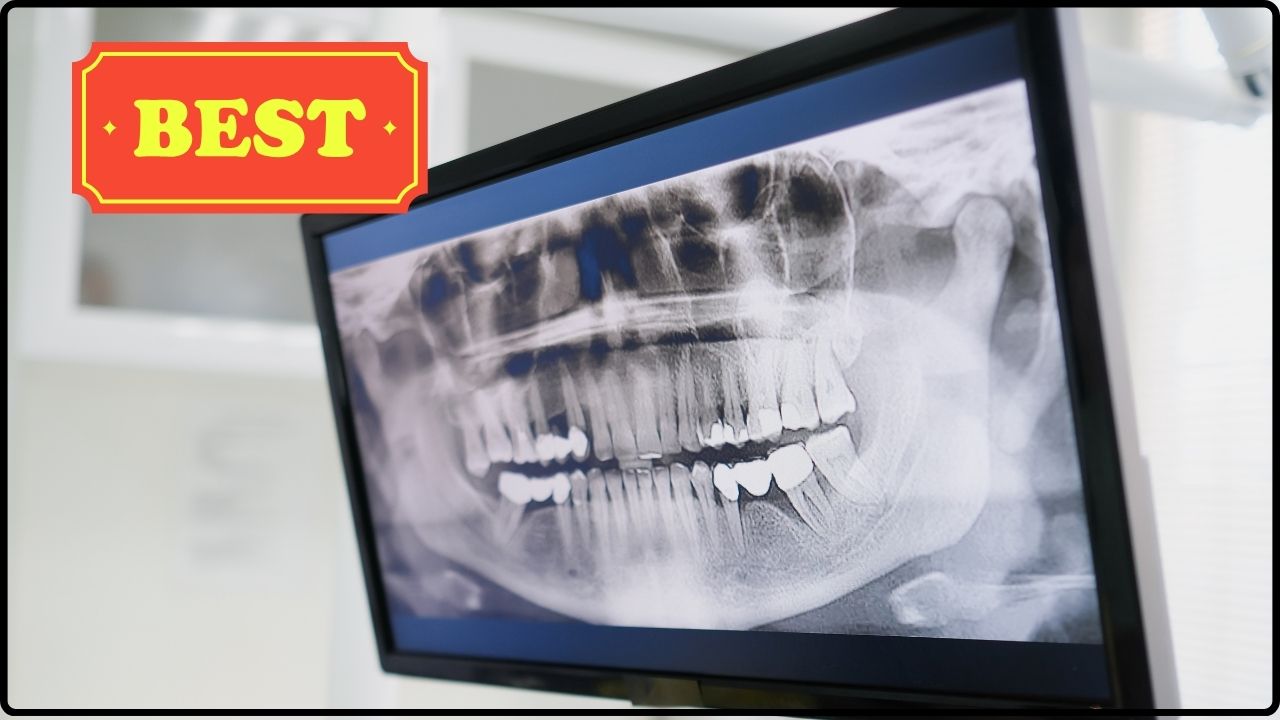
- Periapical X-ray: Crucial for diagnosing infection, determining root length, and evaluating the tooth’s overall condition.
Tip: Invest in a digital X-ray machine for faster diagnostics and better image quality.
2. Access Opening Instruments
Once the diagnosis is made, you need to access the pulp. For this, you’ll need tools like:
- Dental Burs: These come in different shapes and sizes to help access the root canal system.
- Spoon Excavators: Used to remove infected pulp or tissue from the tooth.
3. Cleaning and Shaping Instruments
Cleaning and shaping the root canals are some of the most critical steps in a root canal treatment. This process involves removing the diseased tissue and reshaping the canal to allow for proper filling. You’ll need:
- Hand Files: These are manual instruments like K-files and H-files that are used to scrape the walls of the canal clean.
- NiTi Rotary Files: These are nickel-titanium files that rotate, allowing for faster and more efficient cleaning of curved canals.
Tip: Rotary instruments are a game-changer for curved canals, as they are more flexible than stainless steel.
4. Irrigation and Disinfection Tools
After cleaning, you’ll need to irrigate the canal to remove any debris and bacteria. A few must-have tools include:
- Irrigation Syringes: These are used to deliver irrigants like sodium hypochlorite or chlorhexidine to disinfect the canals.
- Paper Points: Used to dry the canal after irrigation.
5. Obturation (Filling) Materials
Once the canal is cleaned and shaped, you’ll need to seal it. The sealing process is called obturation, and you’ll need tools and materials like:
- Gutta-Percha Points: These are the most commonly used materials to fill the canal.
- Sealers: These are used to fill the tiny gaps between the gutta-percha and the canal walls.
Tip: Always use a biocompatible sealer to reduce the risk of inflammation or allergic reactions.
6. Apex Locator
An apex locator is an electronic device that helps you determine the exact length of the root canal. This ensures that the filling material doesn’t overflow and the treatment is accurate.
7. Rubber Dam Kit
A rubber dam is essential for isolating the tooth and keeping the area dry and free from bacteria during the procedure. This kit typically includes:
- Rubber Dam: Used to isolate the tooth being worked on.
- Clamps: Secure the rubber dam in place.

How Much Does an Endodontic Kit Cost?
The cost of an endodontic kit varies greatly depending on the brand, the number of tools included, and the quality of the instruments. On average, a high-quality endodontic kit will cost anywhere from $3,000 to $10,000. Keep in mind that you can find more affordable options if you’re starting small, but you might need to upgrade as your practice grows.
Step-by-Step Guide to Setting Up Your Essential Endodontic Kits
Now that you know what tools you need, here’s how to go about setting up your endodontic kit:
Step 1: Assess Your Needs
Before purchasing any tools, think about your clinic’s volume and the types of procedures you’ll be performing. Are you primarily treating single-tooth infections, or do you expect to perform more complicated treatments, like multi-canal root canals or re-treatment procedures?
Step 2: Prioritize Quality Over Quantity
Don’t just buy every tool on the market. Focus on the essential instruments first. Invest in high-quality NiTi files, reliable apex locators, and sturdy rubber dam kits. Over time, you can add more specialized instruments to your collection.
Step 3: Organize Your Instruments
Having a well-organized kit is key to a smooth workflow. Arrange your tools in a way that makes them easy to access and identify. Consider using sterilization pouches or trays to keep everything neat and sanitary.
Step 4: Stay Updated with Technology
Endodontics is constantly evolving, and new tools and techniques are regularly introduced. Keep up with the latest developments in the field and consider upgrading your kit as needed.
Step 5: Maintain Your Kit
Proper maintenance is crucial to ensure your tools are in good working condition. Regularly sterilize your instruments and replace any worn-out files or tips.
Transcutaneous Electrical Nerve Stimulation (TENS): A Comprehensive Guide for Chronic Pain Relief
Maxillofacial Prosthetics: Techniques for Finger and Facial Rehabilitation
Dapagliflozin (Forxiga) in Diabetes Care: Benefits for Neurological and Metabolic Health