
Maxillofacial Prosthetics: Maxillofacial prosthetics is one of those medical fields that most people don’t hear about—until life throws a curveball. Imagine losing a part of your face or a finger due to an accident, cancer, or a birth condition. Suddenly, everyday actions like smiling, eating, or shaking someone’s hand become challenging. That’s where maxillofacial prosthetics steps in—a blend of medicine, art, and technology that restores not just form and function, but dignity and confidence. This article explores how maxillofacial prosthetics works, the techniques behind facial and finger rehabilitation, real-life examples, and where this field is heading. Written from the perspective of an experienced prosthodontist and educator, this guide aims to make the science simple, relatable, and reliable—so everyone, from a 10-year-old to a medical professional, can follow along.
Table of Contents
Maxillofacial Prosthetics
Maxillofacial prosthetics stands at the crossroads of science, empathy, and art. It restores what life’s harshest moments take away—helping patients smile, speak, and live again. For many Americans, from veterans to cancer survivors, these prostheses represent a second chance at normal life. As technology advances through 3D printing, biocompatible materials, and digital design, the field continues to evolve toward accessibility and excellence. In Native American traditions, healing is about restoring balance—between body, spirit, and community. That’s exactly what maxillofacial prosthetics achieves: the restoration of wholeness.

| Aspect | Quick Facts & Sources |
|---|---|
| Definition | A subspecialty of prosthodontics that restores facial/oral parts lost from trauma, surgery, or disease |
| Extended Use | Techniques now used for fingers, ears, and partial limb rehabilitation |
| Core Materials | Silicone, acrylic resin (PMMA), titanium implants, 3D-printed polymers |
| Estimated Need | Over 30 million people worldwide need prosthetic or orthotic devices |
| Global Amputation Data (2019) | 13.2 million new traumatic amputation cases globally |
| Prosthetic Device Abandonment | 26% of upper-limb prostheses are not used long-term |
| U.S. Career Outlook | 10% job growth projected for prosthetists and orthotists (2022–2032) |
| Official Resource | American College of Prosthodontists – Maxillofacial Prosthetics Overview |
What Is Maxillofacial Prosthetics?
Maxillofacial prosthetics is a subspecialty of prosthodontics (a branch of dentistry) focused on replacing missing or deformed parts of the face, jaws, and head using artificial materials. When surgery alone can’t restore what’s lost, prosthetics can fill the gap—literally.
It covers everything from intraoral prostheses (inside the mouth, like a jaw or palate) to extraoral prostheses (outside the face, like a nose, ear, or eye). In recent years, its techniques have extended to somatic prosthetics, such as artificial fingers or limbs, especially in trauma rehabilitation.
According to the American Dental Association (ADA) and Mayo Clinic, this interdisciplinary field combines biomedical science, digital engineering, and artistic sculpting to recreate missing anatomy and restore vital functions like speech, chewing, and facial expression.
Why This Field Is So Important?
When someone loses a part of their face or a limb, the physical damage is only part of the story. The emotional and social toll can be immense. Patients often share how difficult it is to meet people’s eyes again, to smile, or to return to work.
A 2023 Mayo Clinic study found that patients receiving maxillofacial prosthetic care showed a 60% improvement in quality of life and 45% increase in social confidence within six months of rehabilitation. This proves that restoring physical appearance often leads to emotional recovery as well.
The work doesn’t just rebuild tissue—it rebuilds self-esteem, relationships, and identity. That’s the real power of prosthetic rehabilitation.
Maxillofacial Prosthetics: Techniques Used in Facial and Finger Prosthetics
1. Clinical Evaluation and Planning
Every successful prosthesis begins with a detailed assessment. The clinical team—usually consisting of a prosthodontist, surgeon, and anaplastologist—evaluates:
- The extent and location of tissue loss
- Skin tone, texture, and elasticity
- The patient’s functional needs (chewing, speaking, gripping, etc.)
- Psychosocial factors and lifestyle
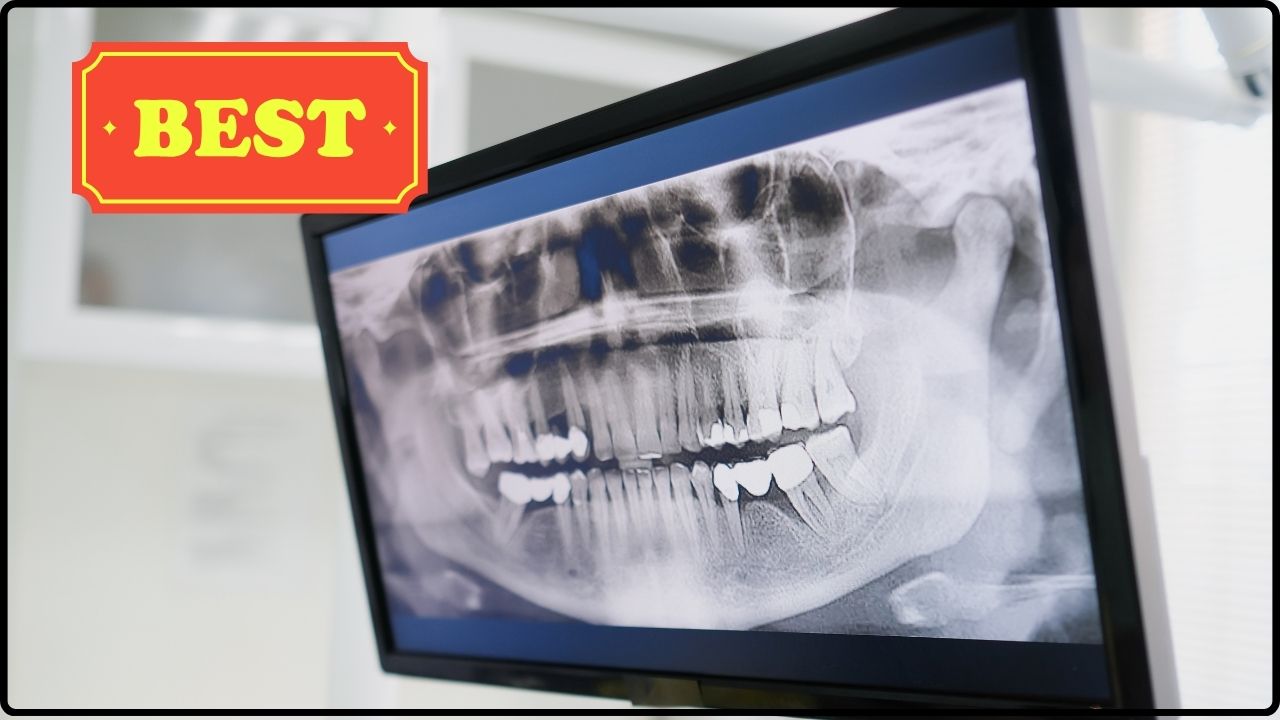
Imaging techniques such as CT scans, 3D facial scans, and intraoral optical scanning help in mapping the defect and planning the restoration with precision.
2. Material Selection
Choosing the right material is key to achieving a natural look and long-lasting comfort.
- Medical-grade silicone is used for flexible, lifelike skin texture in facial prostheses.
- Acrylic resin (PMMA) provides strength for intraoral or structural components.
- Titanium implants allow stable anchorage for magnetic or clip attachments.
- Digital polymers and resins are used for 3D printing molds and trial models.
Newer developments include bio-compatible silicones with enhanced UV resistance and AI-assisted color-matching systems that can replicate subtle skin undertones.
3. Design and Fabrication
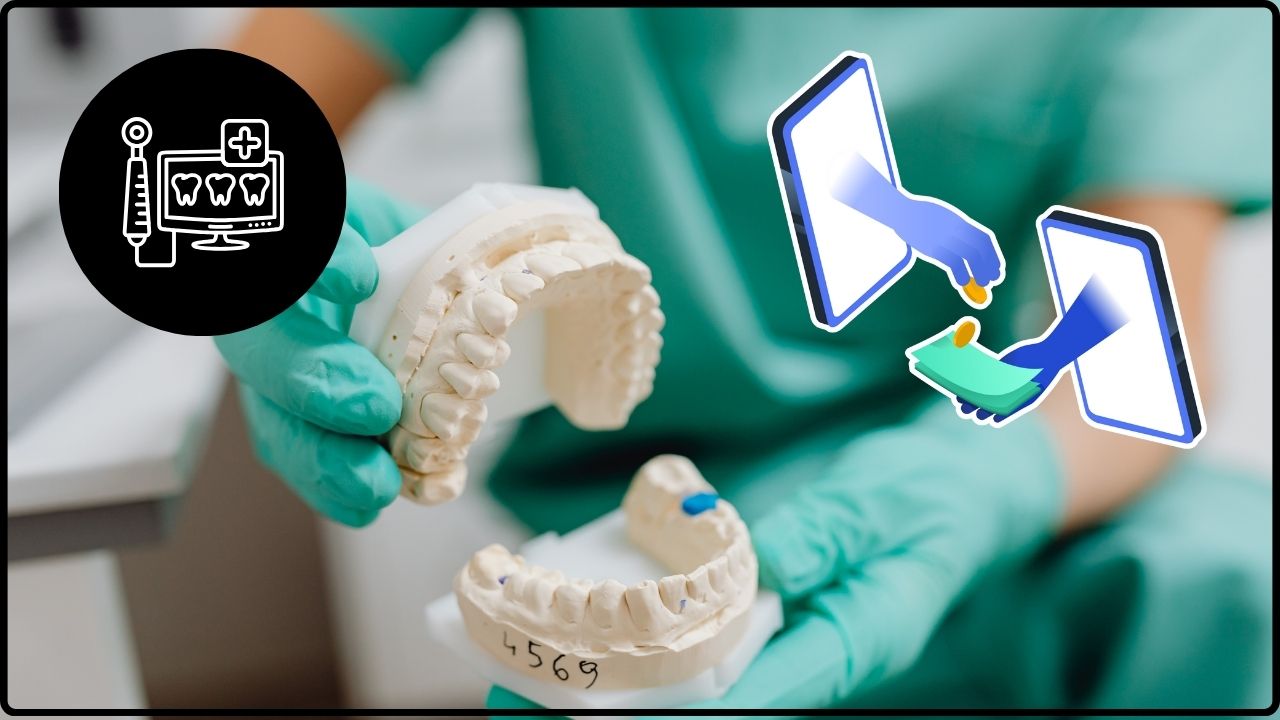
Traditionally, prostheses were sculpted manually. Now, labs use CAD/CAM (computer-aided design and manufacturing) and 3D printing to achieve unmatched accuracy.
For facial prosthetics:
- A digital model of the face is created using 3D scanning.
- Missing areas are digitally sculpted to match the opposite side of the face.
- Silicone molds are printed and layered with medical pigments to reproduce natural skin color and translucency.
For finger prosthetics:
- The opposite hand is scanned to create a mirror image for exact proportion.
- The prosthesis is colored, textured, and fitted over the residual stump for comfort and function.
- Some designs even incorporate myoelectric sensors to detect muscle movement and create limited motion in artificial fingers.
4. Retention and Attachment
A well-made prosthesis is useless if it doesn’t stay in place. Retention methods include:
- Medical adhesives: Non-invasive, ideal for small or lightweight prostheses.
- Mechanical devices: Eyeglass frames or straps used for nose or ear prostheses.
- Osseointegrated implants: Titanium screws surgically embedded in the bone to secure magnets or clips. This provides exceptional stability and comfort.
Implant-retained prostheses have shown a success rate of over 95% in clinical studies, according to the Journal of Prosthetic Dentistry (2022).
5. Fitting, Training, and Maintenance
Patients are trained to attach, remove, and clean the prosthesis properly.
They also receive counseling to handle emotional and social challenges.
Regular check-ups are crucial to ensure proper fit as tissues may shrink or swell over time. Most prostheses last 2 to 4 years, depending on care and environmental exposure.
For children, frequent refitting is necessary because of growth-related changes.

Facial Prosthetics vs. Finger Prosthetics
While facial prostheses restore expressions, speech, and appearance, finger prosthetics focus on functionality—such as holding, typing, or gripping objects.
However, both follow similar design principles: custom fitting, aesthetic detailing, and patient comfort.
In the United States, finger prostheses are often used in industrial injury cases, diabetic amputations, and military trauma rehabilitation programs. VA medical centers and specialized private clinics use hybrid materials to achieve durable and natural-looking results.
Real-Life Application: Stories That Inspire
A patient at MD Anderson Cancer Center, who lost his jaw and cheek to oral cancer, regained full ability to speak and eat after receiving a combined maxillofacial and intraoral prosthesis. His story mirrors thousands of others nationwide.
In another case from Walter Reed National Military Medical Center, a U.S. veteran who lost three fingers in combat was fitted with 3D-printed silicone prosthetic digits. Not only could he write again, but he also regained confidence to return to college.
Such success stories underline how modern prosthetic care restores more than appearance—it restores purpose.
Challenges in Prosthetic Rehabilitation
Despite impressive advances, challenges remain:
- High cost and accessibility: Advanced prostheses and implant surgeries can cost between $5,000 to $20,000, depending on complexity. Insurance coverage varies widely.
- Device abandonment: Around 23–26% of upper-limb prostheses are discontinued due to discomfort or unrealistic expectations.
- Material aging: Silicone color fades over time, requiring replacements every few years.
- Shortage of trained specialists: There are fewer than 250 certified maxillofacial prosthodontists actively practicing in the U.S. today.
These hurdles highlight the need for affordable care, better patient education, and increased professional training programs.

Professional Pathway in the U.S.
If you’re considering a career in this field, the pathway typically includes:
- A DDS or DMD degree (Doctor of Dental Surgery or Dental Medicine).
- Residency in Prosthodontics (3 years).
- 1-year Fellowship in Maxillofacial Prosthetics (offered at institutions like UCLA, Mayo Clinic, and UTHealth Houston).
- Board certification through the American Board of Prosthodontics (ABP).
Most practitioners work in hospitals, cancer centers, or academic institutions, with annual salaries ranging from $160,000 to $250,000, depending on experience.
This field offers not only professional satisfaction but also deep emotional rewards—helping people rediscover their identity after devastating loss.
Future Innovations
Maxillofacial prosthetics is rapidly evolving, with exciting innovations ahead:
- 3D bioprinting: Printing skin-like tissue with living cells to replace lost structures.
- Smart prosthetics: Myoelectric and neural-linked devices that respond to brain or muscle signals.
- Digital skin tone preservation: AI software predicts how prosthetic color will age under sunlight for long-term realism.
- Tele-prosthetics: Remote design and fitting for rural or mobility-limited patients.
These technologies are expanding access to care and reducing production times, making high-quality prosthetics available to more people.